
Railways & Critical Infrastructure
Structural bearings, dynamic response and seismic engineering for railway bridges, elevated rail corridors and critical transport infrastructure.
Railway structures must accommodate repeated axle loads, braking and traction forces, temperature movements and support rotations. The interaction between track continuity, deck movements and bearing restraints is a key consideration in the design of elevated rail infrastructure.
ISOLATION Pty Ltd provides specialised engineering for the selection, design, optimisation and detailing of structural bearings, seismic isolation and energy-dissipation systems. Solutions are developed around project-specific load combinations, movement envelopes, dynamic response and the interfaces between the deck, supports and track system.
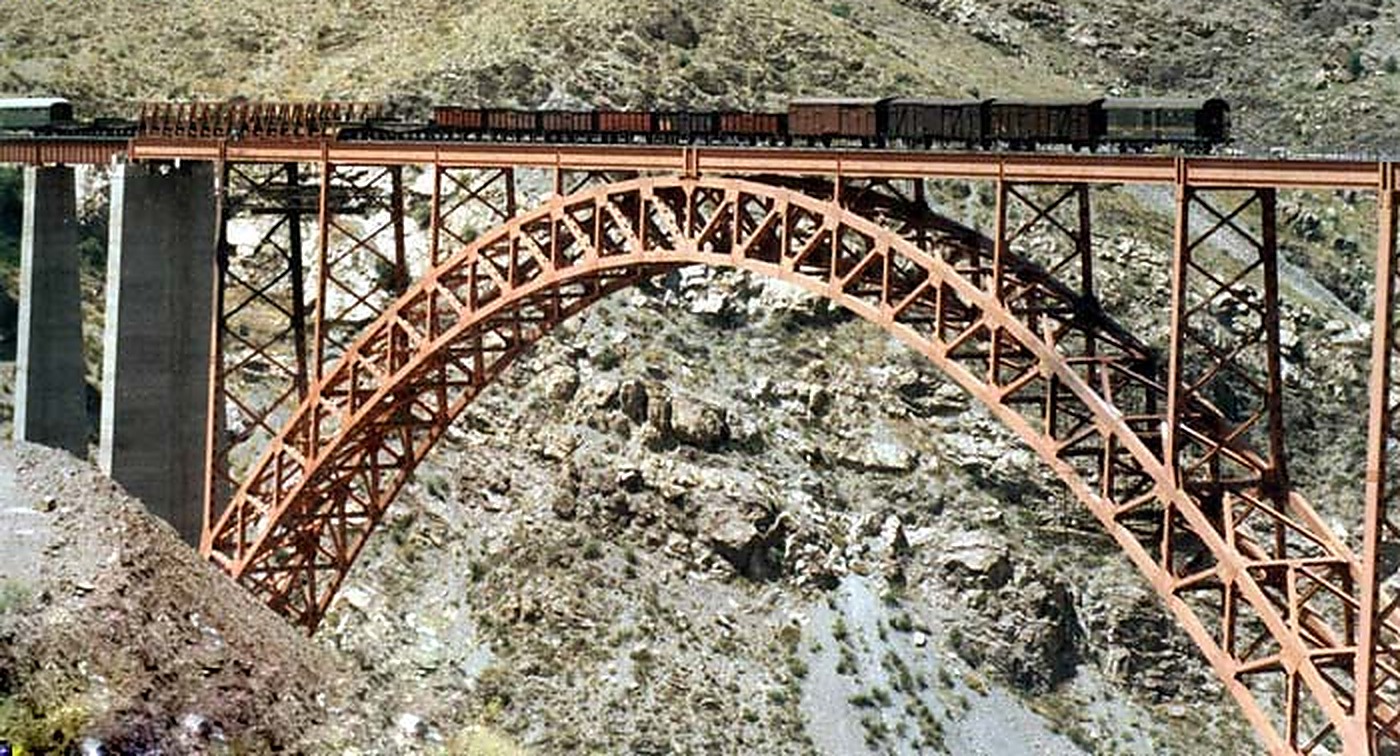
Engineering Considerations
Repeated & Dynamic Train Loading
Evaluate vertical and horizontal bearing demands from train passages, including braking, traction and cyclic loading, with attention to fatigue-sensitive details and serviceability.
Movement, Rotation & Track Interaction
Coordinate thermal movement, deck-end rotation and restraint conditions with track continuity and rail–structure interaction requirements, rather than sizing bearings from vertical loads alone.
Seismic Response & Restraint
Define displacement capacity, lateral load paths and seismic restraint or isolation strategies based on the bridge configuration, ground-motion demand and allowable movement at structural interfaces.
Inspection, Replacement & Service Life
Detail bearing access, jacking provisions, replaceability and corrosion protection to limit maintenance disruption within constrained railway operating windows.